
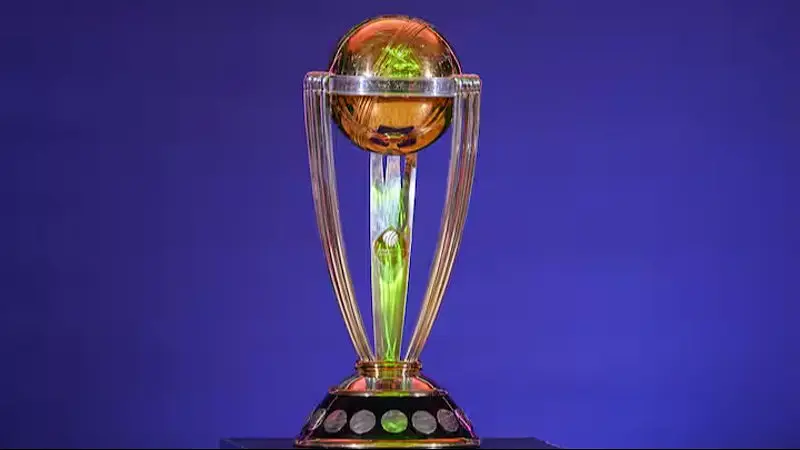
Cricket South Africa and the ICC will unveil the fixture list in Cape Town on 1 October 2026, and the final is fixed for 21 November 2027. What stays open is where it will be played, with the Wanderers and Newlands both in the frame. Twelve venues across three countries will host 14 teams, and ten places are already filled, including hosts South Africa and Zimbabwe. Ticket registration opens the same day, though no tickets will be sold that day.
Twelve Venues Across Three Countries
South Africa carries the bulk of the load with eight grounds: Johannesburg, Centurion, Durban, Gqeberha, KuGompo City, Cape Town, Paarl and Bloemfontein. That is a heavy tilt towards the main host, and a sensible one given the travel a 14-team event demands. Zimbabwe adds three venues in Harare, Bulawayo and Victoria Falls. Namibia adds one, Windhoek. Which of the twelve gets the opening match hasn’t been made public.
Three countries sharing one tournament is a logistical test. The fixture list has to keep the travel sensible for 14 squads, and the split of eight, three and one shows how much the organisers lean on South African infrastructure. Cape Town appears among the eight South African grounds, which fits a launch held in the city. Victoria Falls is the outlier on the list, a smaller stage than the big metropolitan grounds.
ODI World Cup 2027 schedule Cape Town
The ICC and Cricket South Africa will reveal the full list of fixtures in the city on 1 October 2026, one year before the tournament. The final is dated 21 November 2027. The home of that final is the open question. The Wanderers in Johannesburg and Newlands in Cape Town are the two options, and the choice will say plenty about what the organisers value: a bigger stadium or a Cape Town stage.
The opening day is less certain. Reports offer conflicting start dates, and there is no official confirmation of the first match or its venue. The launch is where those blanks get filled. Viewers in India can follow it on Star Sports and JioStar. A one-year countdown is a standard marketing beat, but this launch should carry real substance. Fans stand to learn the order of the group games and the date that decides who plays whom.
Fourteen Teams and a New Format
The tournament runs in four phases. First comes a Super Series for the three lowest-ranked teams, played over three matches, and its winner moves on. Twelve teams then split into two groups of six for 30 matches. The top three from each group, plus the best fourth-placed side, reach a Super 7 round-robin worth 21 matches. Thirty group matches give every side room to recover from one bad day.
The top four from that stage advance to the semi-finals and final, three matches in all. The structure rewards teams that stay steady across three rounds, and the extra place for a fourth-placed side gives a slow starter a way back. The Super Series is brutal for the three lowest-ranked sides, since only the winner moves forward. Everyone else waits for a group stage that packs 30 matches into two pools of six.
Qualifiers and the Ticket Ballot
Ten teams have their places. South Africa and Zimbabwe qualify as hosts, and the top eight in the ODI rankings on 30 September 2026 join them: Afghanistan, Australia, Bangladesh, England, India, New Zealand, Pakistan and Sri Lanka.
Namibia has no guaranteed place because it is not a full ICC member. A qualifier from 22 February to 23 March 2027, featuring 10 teams, will fill the remaining spots, although its venue is not finalised. Qualifiers matter because ten places do not fill a 14-team field. The qualifier decides the rest of the field, and Namibia must earn a place like anyone else.
Fans get their first chance to act on the same day the fixtures drop. Ticket ballot registration opens on 1 October, but no tickets are sold that day. Every question above lands on one date. The ODI World Cup 2027 schedule Cape Town launch will name the venues, settle where the final is played, and give ticket hunters something to plan around.