
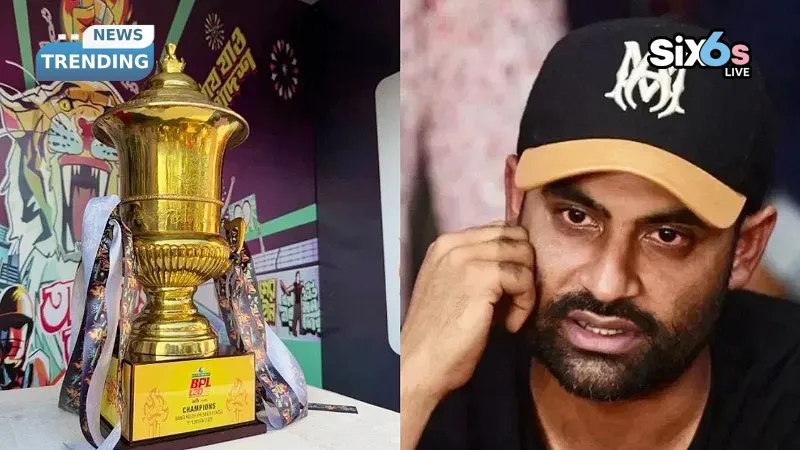
The Bangladesh Premier League isn’t being scrapped, but it isn’t coming back in a hurry either. The board’s new six-team competition replaces the old domestic first-class, one-day and T20 events, not the franchise league that fans follow. What it does change is the calendar, the ownership model and the money around domestic cricket. With no BCB comment on the league’s future since the 20 September meeting, the likeliest path is a rebuilt tournament after a fresh franchise process, not a quick return next season.
The Board’s Six-Team Plan Explained
The Bangladesh Cricket Board agreed in principle on 20 September to launch a six-team domestic competition covering three formats. First-class, List A one-day and List A T20 cricket will all sit under one competition framework. Ownership of those teams will be offered to corporate and financial institutions for an initial three years. The T20 leg is tentatively scheduled for December 2026.
Corporate ownership is the headline shift. Bringing banks and large companies into domestic team ownership gives the board a funding base it hasn’t had for first-class cricket, and a three-year term gives those owners time to judge the return. The board’s statement made no mention of the franchise league at all, even in passing. That silence is what triggered the confusion that followed over the next week.
Answering What Happens to BPL 2027
Claims that the new event replaces the franchise league spread quickly after the announcement. They built on an earlier view, from 3 September, that the tournament had been discontinued at a real cost to player earnings.
Tamim Iqbal cleared that up on 28 September. He explained that the new six-team event takes the place of the NCL T20, the BCL four-day and the BCL one-day competitions, leaving the franchise league untouched. That distinction matters. The NCL and BCL formed the backbone of the domestic calendar, so folding all three into one six-team event is a structural clean-up, not a move against the franchise league.
The bigger clue came a month earlier. On 20 August, Tamim said the intention to stage the league was total, but he made it plain he had no interest in rushing it back. There will be no edition in 2026-27, and the franchise process is expected to run by April or May 2027. That timeline points to a relaunch built on new foundations rather than a straight revival.
Bigger Match Fees for Domestic Players
The new structure comes with a sharp pay rise. Men’s four-day match fees double from Tk 75,000 to Tk 150,000, one-day fees rise from Tk 50,000 to Tk 100,000, and T20 fees jump from Tk 40,000 to Tk 80,000. Women’s cricketers get increases too. Multi-day fees move from Tk 20,000 to Tk 40,000, one-day fees from Tk 20,000 to Tk 30,000, and T20 fees from Tk 10,000 to Tk 20,000.
Every men’s format doubles outright. For a domestic cricketer playing all three formats, a full season under the new structure could be worth twice what the old system paid. Those rises matter because the franchise league’s absence has hit player earnings hard. The board is using domestic cricket to fill part of that gap while it works out the bigger fix.
Franchise Owners Want Reform First
The franchises had been calling for change well before the announcement. Speaking on 29 August, Rangpur Riders CEO Ishtiaque Sadeque argued the league needs reform and lacks a sustainable model. He wants a five-year calendar and pointed out that payments are still pending.
Dhaka Capitals CEO Atik Fahad went further, saying he would walk away if the league kept running the way it had over the past two years. Rajshahi Warriors CEO Moksadul Kamal Babu took a softer line, accepting the disruption as necessary for the greater good.
Rangpur’s call for a five-year calendar goes to the heart of the problem. Owners can’t plan squads, sponsors, or budgets around a tournament whose future is decided season by season, and pending payments only deepen that distrust.
Those voices explain the pause better than any board statement. With franchises demanding stability and a new ownership process due by mid-2027, what happens to BPL 2027 depends on whether the board can deliver the long-term model its owners are asking for.