
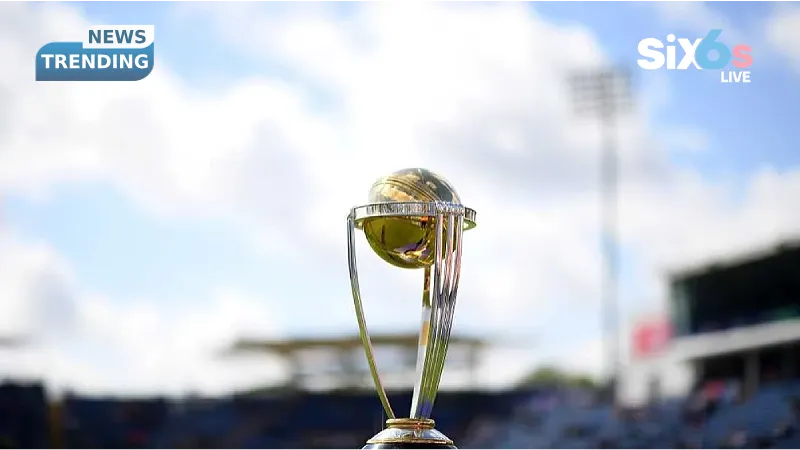
The ICC has confirmed the Super Six format with points carry-forward as the structure for the 2027 men’s ODI World Cup, scheduled to run from October 4 to November 21 across South Africa, Zimbabwe, and Namibia. The format, last used in 2003 and with the full carry-forward mechanism not applied since 1999, changes how group-stage results translate into semi-final consequences. Provisional dates were agreed at the ICC Board meeting in Ahmedabad in May 2026, with formal ratification expected at the AGM in Edinburgh in July.
ODI World Cup 2027 South Africa: Dates, Venues, and Match Split
South Africa’s eight venues, including the Wanderers, Newlands, SuperSport Park, and Kingsmead, will host at least 41 of the tournament’s 54 matches. Zimbabwe is due to stage between eight and ten games, while Namibia will host three. The 48-day window is the first major men’s ODI World Cup on African soil since 2003.
The 14-team field splits into two groups of seven. The top three from each group advance to the Super Six, where each team plays three matches against the three qualifiers from the opposing group. The top four from the Super Six reach the semi-finals.
How the Super Six Carry-Forward Works
Points earned against fellow qualifiers in the group stage carry into the Super Six. A team that beats both of the other qualifying teams from its group arrives with four points already banked. A team that loses both starts with zero. Every match between likely qualifiers from the same group carries semi-final stakes from matchday one.
The 1999 World Cup was the first application of this mechanism, and its consequences were immediate. India and Australia both entered the Super Six with zero points, having failed to beat both qualifying rivals. India were eliminated after losing two of their three Super Six games. Australia needed to win all three and did, beating India, South Africa, and Zimbabwe to reach the semi-finals. Steve Waugh’s 120* against South Africa at Headingley settled who advanced. The system drew criticism for resolving three-way ties on NRR and for creating incentives to bat slowly in dead rubbers.
Qualification Structure and Open Questions
South Africa and Zimbabwe qualify automatically as co-hosts. The top eight ICC-ranked ODI teams at the March 2027 cut-off qualify directly; the remaining four spots come from the ODI World Cup Qualifier in 2027.
The ICC AGM in Edinburgh in July 2026 must formally ratify the dates, and the FTP schedule for 2027 to 2031 is expected to follow. Draw seeding, group allocation, and tie-break procedures beyond NRR are still to be published. The ODI World Cup 2027 South Africa format Super Six structure with points carry-forward, confirmed in the Ahmedabad agreement, is not provisional.
ODI World Cup Format History
| Edition | Year | Format | Points Carried Fwd | Notable Detail |
| 9th | 1992 | Round robin, top 4 | No | Rain rule; SA needed 22 from 1 ball |
| 10th | 1996 | 2 groups, top 4 each to QFs | No | West Indies forfeit vs Australia |
| 11th | 1999 | 2 groups, top 3 to Super Six | Yes (qualifier wins) | NRR decided semi-finals |
| 12th | 2003 | 2 groups, top 3 to Super Six | Yes (modified) | Kenya reached semi-finals |
| 13th | 2007 | 4 groups, top 2 to Super Eight | Yes (qualifier wins) | India and Pakistan eliminated in groups |
| 14th | 2011 | 2 groups, top 4 to QFs | No | Ireland beat England in group stage |
| 15th | 2015 | 2 groups, top 4 to QFs | No | UAE and Afghanistan first appearances |
| 16th | 2019 | Round robin, top 4 | No | England win on boundary countback |
| 17th | 2023 | Round robin, top 4 | No | India unbeaten until final |
| 18th | 2027 | 2 groups, top 3 to Super Six | Yes (qualifier wins) | First full carry-forward since 1999 |
Cricket never stops, and neither do we. Follow Six6slive for the latest news, in-depth features, and exciting updates from the world of cricket. Dive into the action now!