
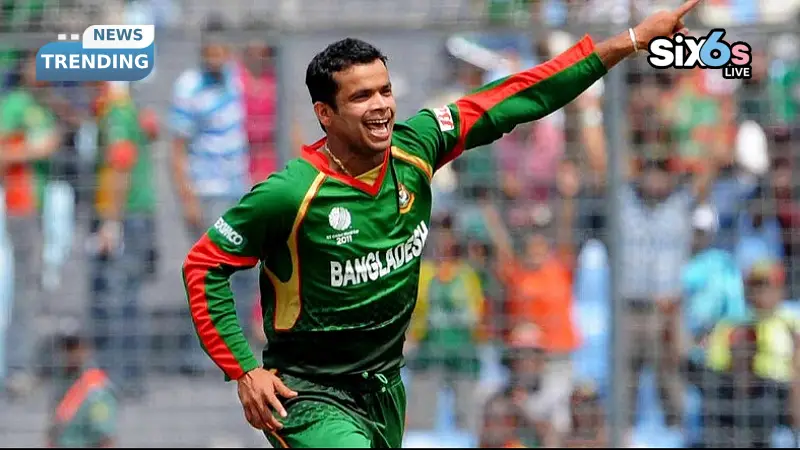
Bangladesh cricket has consistently produced talented domestic players who struggle to make the transition to consistent international performance. The BCB High Performance Unit exists specifically to close that gap. From June, it gained one of the country’s most experienced white-ball bowlers. His 153 ODIs, 207 wickets, Level 3 coaching certification completed in January 2026, and firsthand experience remodelling his own bowling action mid-career give him a profile that goes considerably beyond a former player rewarded with a coaching title.
Razzak Prepares Carefully for Coaching
Most former international cricketers move into coaching on reputation alone. The preparation Razzak completed before accepting this role suggests a different approach. Completing a Level 3 coaching certification before entering the HP Unit shows a deliberate commitment to professional education rather than assuming playing experience translates automatically into coaching ability.
That distinction matters in player development environments. Young cricketers need coaches who understand both the technical demands of international cricket and the communication skills required to translate that knowledge across different learning styles. Razzak spent time as a BCB selector and director before pursuing the coaching pathway, which means he understands the administrative context surrounding development decisions, not just the technical side of bowling improvement. That broader understanding of how Bangladesh cricket operates at multiple levels could make him considerably more effective than a specialist coach parachuted in without that institutional context.
BCB Restructures Its Development Pathway
The timing of this appointment is deliberate. Mohammad Salahuddin is expected to lead the HP Unit after the Pakistan series, and the BCB is reshaping the entire coaching staff around a clearer emphasis on long-term player growth rather than short-term selection decisions.
Bangladesh has historically identified promising youth talent without successfully managing the transition to senior international cricket. That gap isn’t a talent problem. It’s a system problem. The HP Unit is designed to provide advanced training, technical preparation, and exposure to high-pressure match environments before players reach international level rather than after.
Adding experienced former internationals to that structure improves the quality of preparation available to players in the development pipeline. A coach who played 153 ODIs and navigated the technical challenges of international spin bowling across different conditions communicates differently from a coach whose knowledge comes primarily from qualifications rather than experience.
Abdur Razzak Brings Spin Expertise
Abdur Razzak’s 207 ODI wickets represent more than a career statistic. They reflect a bowler who adapted his technique across different pitch conditions, modified his bowling action under pressure, and remained effective across 15 years of international cricket at a time when Bangladesh’s resources were considerably more limited than they are now.
His specific discussion about remodelling his bowling action during his playing career is the most practically valuable part of his profile for young spinners. Technical crises in spin bowling are common at the development level. A coach who experienced that process personally and navigated it successfully understands what young bowlers face at that moment in a way that coaching manuals don’t fully capture.
Bangladesh’s surfaces in Dhaka and Chattogram traditionally reward spin. Developing spinners who understand variation, control, and tactical adjustment on those surfaces requires coaching input from someone who built an international career on exactly those skills.
Early Development Changes Everything
Razzak’s stated coaching philosophy centres on teaching players earlier rather than correcting mistakes after they reach the senior level. That approach directly addresses the transition problem Bangladesh cricket has faced repeatedly when domestic performers struggle to adjust to international demands.
Modern development programmes in leading cricket nations prioritise tactical awareness, workload management, and technical preparation from the earliest stages of a player’s pathway rather than assuming development happens naturally through match exposure alone. Implementing that philosophy inside the HP Unit gives Bangladesh a structured environment where young players learn international-level habits before facing international-level pressure.
If this approach produces even two or three spinners better equipped for the senior environment than previous development cycles managed, the appointment delivers value that justifies the structural change entirely.
Cricket never stops, and neither do we. Follow Six6slive for the latest news, in-depth features, and exciting updates from the world of cricket. Dive into the action now!