
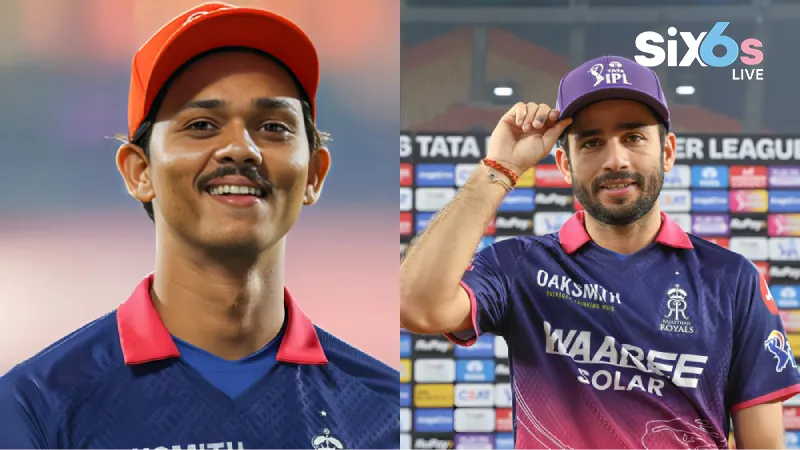
Ravi Bishnoi is leading the Purple Cap with his average and consistency, making him harder to dislodge than his raw wicket count suggests. Prasidh Krishna was close behind him through match-defining contributions rather than steady accumulation. Yashasvi Jaiswal is at the top of the Orange Cap standings, combining rapid scoring with the consistency that separates genuine tournament leaders from hot-streak performers. Several bowlers clustered within two or three wickets of each other on the Purple Cap table. Multiple batters within one explosive innings of the Orange Cap lead. Both races are wide open at this stage of the tournament, and both are producing more compelling drama than either was expected to at the same point in previous seasons.
Bishnoi and Krishna Lead All Bowlers
The specific quality that has placed Ravi Bishnoi at the top of the Purple Cap standings rather than a pace-dominant bowler is his average, the metric that reflects not just wicket volume but wicket efficiency. Taking wickets cheaply in high-pressure phases carries more weight than accumulating wickets in low-pressure situations, and Bishnoi’s numbers reflect the former rather than the latter. Prasidh Krishna’s proximity to him on the leaderboard is built on a different profile, game-defining contributions at critical moments rather than steady accumulation across low-intensity phases.
Death Overs Separating the Top Bowlers
The specific bowling phase that is most clearly separating the Purple Cap leaders from the mid-table cluster is death over execution. In a season where scores above 180 have become frequent, and scores above 200 have occurred multiple times, the bowler who concedes fewer runs while taking wickets in the final four overs produces a match impact that conventional middle-overs analysis undervalues. Prasidh Krishna’s slower balls, yorkers, and pace variations in overs seventeen to twenty have specifically contributed to his position.
IPL 2026 Orange Cap Is Jaiswal’s
Yashasvi Jaiswal’s position at the top of the IPL 2026 Orange Cap standings reflects the specific combination that makes tournament run-leading genuinely impressive rather than volume-based. His strike rate combined with his run total means he’s scoring quickly across multiple matches rather than producing one exceptional innings surrounded by modest contributions.
Sameer Rizvi’s impact, aggressive intent backed by smart shot selection producing consistent results, has pushed him into the Orange Cap conversation alongside Jaiswal. The current Orange Cap picture reflects the broader batting trend of the season: high strike rates from the powerplay rather than patient accumulation, and willingness to attack regardless of the specific bowling combination the opposition presents.
Congestion at Mid Table Changes Everything
The mid-table congestion in both leaderboards is producing the specific tournament dynamic where no match is low-stakes for any individual player. A bowler sitting six wickets behind the Purple Cap leader can reach the top three with one exceptional performance. A batter sitting forty runs behind the Orange Cap leader can close the gap with a single innings. This volatility means that player focus remains at maximum intensity across every fixture rather than fading when personal milestones seem distant. The congestion also means that the final Purple Cap and Orange Cap holders at the tournament’s end will almost certainly not be the current leaders; the leaderboard at this stage predicts direction more than it predicts outcome.
Consistency Beats Explosiveness Over the Season
The specific insight that both leaderboards provide at this stage is the distinction between performers who have produced one or two exceptional matches and those who have produced multiple quality contributions across different match situations. The players currently leading both races have done so through the second category rather than the first.
Jaiswal’s Orange Cap position isn’t built on one exceptional innings surrounded by quiet matches; it’s built on multiple above-par contributions across different surfaces and against different bowling attacks. Bishnoi’s Purple Cap position reflects the same sustained output rather than an isolated spell. The players in the mid-table cluster who will challenge for both caps in the second half of the tournament will need to demonstrate that same multi-match consistency rather than betting on one performance to close the gap.
Cricket never stops, and neither do we. Follow Six6slive for the latest news, in-depth features, and exciting updates from the world of cricket. Dive into the action now!