
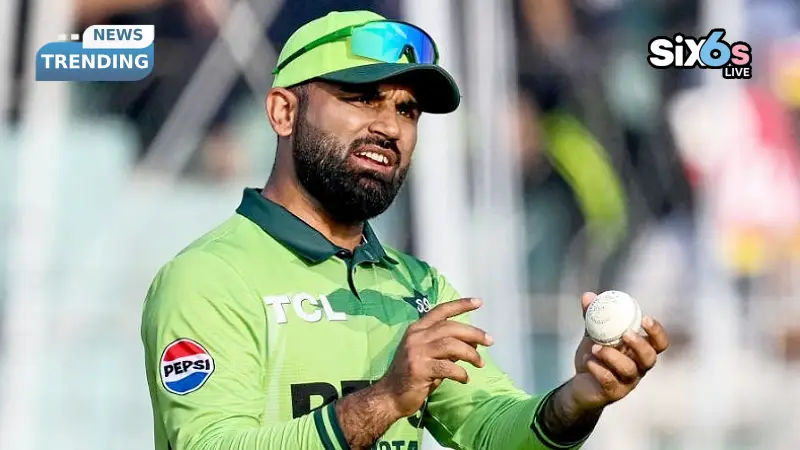
Two matches. A Level 3 Code of Conduct breach. A five-run penalty and forced ball change before the final over. Fakhar Zaman contested the charge, triggered a formal hearing, and received the maximum available punishment once the evidence was reviewed. The ban itself is significant. The timing is worse. Lahore Qalandars are navigating a tightly contested group stage where every point carries playoff implications, and their most influential powerplay batter has just been removed from the lineup for two crucial fixtures. Internally, they’ll describe this as manageable. The numbers when Fakhar doesn’t open will tell a different story.
The Ball Tampering Incident Explained Simply
Article 2.14 of PSL’s Code of Conduct covers unfair alteration of the ball’s condition. During a crucial late-match phase, on-field umpires detected irregularities consistent with deliberate interference with the ball’s surface. TV umpires reviewed the evidence and confirmed the finding. The immediate match consequences were a five-run penalty awarded to the opposition and a forced ball change before the final over, both of which directly affected the match’s closing phase. Fakhar’s decision to contest the charge rather than accept it meant the case went to a formal hearing where the evidence was presented and reviewed before the maximum penalty within the Level 3 range was confirmed.
Why the Maximum Ban Was Inevitable
Level 3 carries a range of one to two matches. Fakhar received two. When the maximum punishment within a range is applied, it reflects the strength and clarity of the evidence reviewed in the formal hearing. The involvement of multiple officiating layers, on field, television, and the match referee, means the finding wasn’t based on circumstantial observation. Multiple independent confirmations of the same irregularity during the same incident produce a conclusive finding rather than a debatable one. The maximum ban signals that the match referee found no mitigating factor significant enough to reduce the penalty below its upper limit.
PSL 2026 Lahore Opening Combination Broken
Fakhar Zaman’s absence creates the specific problem that PSL 2026 exposes most brutally, losing an opener who generates powerplay runs at 132-plus strike rate doesn’t have a like-for-like solution within most franchise squads. Lahore can promote a middle-order batter to the top. They can bring in a less experienced alternative. Neither option replicates the specific pressure Fakhar places on opposition bowling attacks in the first six overs, the field-setting disruption, the boundary-hunting that forces defensive changes before over four, or the psychological weight of knowing a set Fakhar is more expensive than almost any other batter in the competition. Lahore’s powerplay totals across the next two matches will confirm the cost.
The Incident That Triggered This Ban
The five-run penalty and ball change in the final over of that match weren’t minor administrative consequences. In T20 cricket, the ball’s condition in the death overs affects everything: how much the ball swings, how well seam bowlers maintain their line, how effectively spinners grip the surface. An altered ball in over twenty of a close match is a material advantage that directly influences the result. The authorities’ immediate response, penalty, and replacement confirmed they judged the interference as match-relevant rather than cosmetic. The formal ban that followed extended that judgment from the single match into the broader tournament framework.
Lahore cannot Simply Replace Fakhar Zaman
The depth options Lahore have at the top of the order aren’t in the same tier as Fakhar’s specific threat profile. A batter who can post 40 from 25 balls with the field up creates scoring opportunities that don’t exist when the alternative produces 25 from 25. That 15-run gap across two matches is the difference between reaching the playoffs and watching them. Lahore’s batting below Fakhar remains competitive. Shaheen’s bowling leadership remains their structural strength. The two-match period without their powerplay catalyst is a damage-limitation exercise rather than a seamless transition, and the outcomes will reflect that regardless of how the squad selection adjusts.
Cricket never stops, and neither do we. Follow Six6slive for the latest news, in-depth features, and exciting updates from the world of cricket. Dive into the action now!