
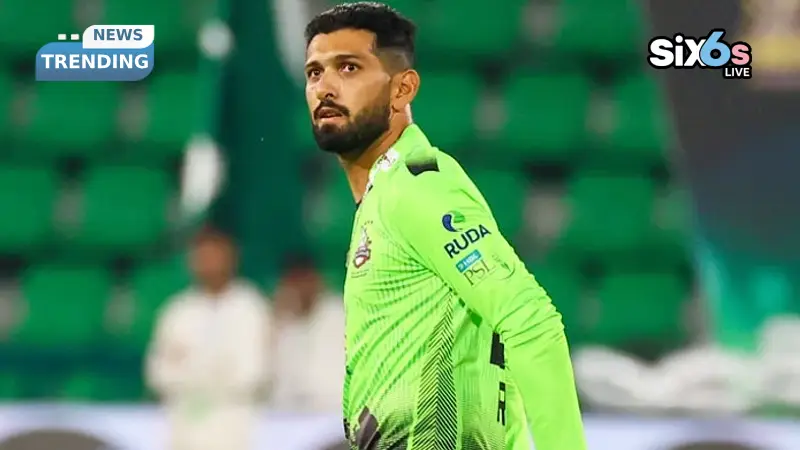
Sikandar Raza arranged for friends and family to visit him inside the team hotel. The visit bypassed the visitor protocols that govern player access during tournament bubbles. Shaheen Shah Afridi assisted when Raza asked him to, and nothing more. Raza publicly accepted responsibility, clarified Shaheen’s limited and requested role, and drew a clear line between an individual decision and team-wide misconduct. The incident became a story because Shaheen’s name, attached to any controversy, amplifies the narrative instantly. The facts, once Raza provided them, described something considerably more routine: a player who didn’t follow procedure, knew it, and said so.
What Raza Actually Said About This
Raza’s statement did two specific things. First, it placed responsibility entirely on himself; he arranged the visit, he invited the guests, and he made the call to bring people into a restricted area without proper approval. Second, it removed Shaheen from the centre of the story by clarifying that Afridi only assisted when asked and didn’t take any independent action to facilitate the breach. This distinction matters because the early reports created the impression of Shaheen being actively involved in organising something inappropriate. Raza corrected that impression directly rather than allowing the ambiguity to persist. That’s a harder thing to do publicly than most people acknowledge.
Why Shaheen Got Dragged Into It
High profile players attract scrutiny that their actual level of involvement doesn’t always justify. Shaheen Shah Afridi is Lahore Qalandars’ captain, Pakistan’s most recognisable fast bowler, and a constant presence in franchise cricket commentary. When his name appears in any incident report, the story immediately becomes about Shaheen regardless of what the facts say about his role. Raza’s clarification confirmed that Shaheen’s presence in this narrative was a function of proximity rather than culpability. He was there. He helped when asked. That’s the extent of it. The story became a Shaheen story because of who Shaheen is, not because of what Shaheen did.
Why PSL 2026 Security Rules Exist
The protocols that Raza bypassed in PSL 2026 aren’t bureaucratic inconveniences; they’re integrity measures designed to prevent the specific vulnerabilities that unauthorised hotel access creates. Unvetted visitors in player zones create opportunities for information exchange, whether intentional or not, that tournament governance frameworks are specifically built to prevent. This is why even harmless visits, family, close friends, people with no possible cricket-related agenda, require prior approval from security and corruption prevention officials. The intent of the visitor is irrelevant to the rule. The rule exists to prevent the circumstance, not to judge the intention. Raza understood this, which is why he accepted responsibility without framing the visit as harmless and therefore acceptable.
What This Means for Lahore Qalandars
Lahore Qalandars’ management response to this incident will be internal rather than public. A procedural briefing reinforcing visitor protocols. A conversation about what the rules require and why they’re non-negotiable, regardless of personal relationships or circumstances. None of that resolves into a disciplinary crisis. Raza’s public acceptance of responsibility reduces the likelihood of formal sanctions significantly , the governing body’s primary concern is that the protocol breach is acknowledged and that recurrence is prevented. Shaheen’s role as captain receives scrutiny not because he did anything wrong, but because leadership accountability extends to awareness of what happens within the team environment.
How This Gets Resolved Going Forward
The PSL and its anti-corruption unit will review the incident with reference to the specific protocols breached, Raza’s statement, and any evidence about the nature and duration of the visit. Without verified evidence of repeated violations or any indication of malicious intent, the outcome is almost certain to involve reinforced communication around visitor protocols rather than severe sanctions against either player. Modern T20 leagues handle incidents like this through procedural correction rather than punitive action when the facts describe a lapse rather than a deliberate circumvention. Raza’s transparency makes the path to resolution shorter than it would have been if the incident had remained contested.
The story ends where Raza’s statement began , a procedure wasn’t followed, one player is responsible for that, and the other player’s name should be removed from the headline.
Cricket never stops, and neither do we. Follow Six6slive for the latest news, in-depth features, and exciting updates from the world of cricket. Dive into the action now!