
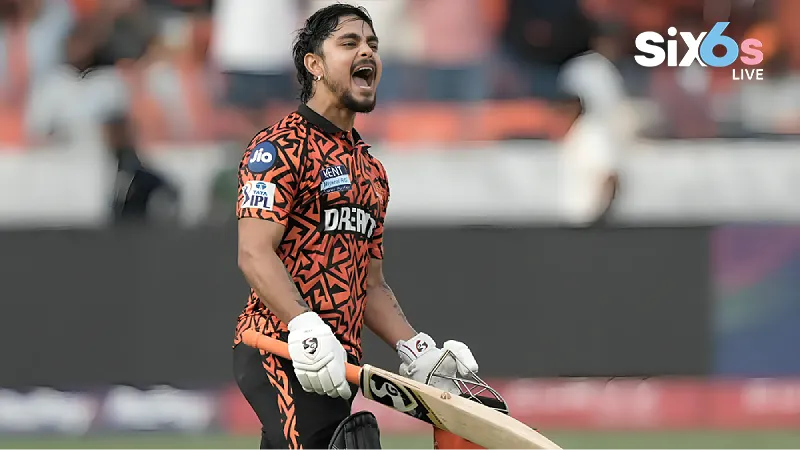
Pat Cummins lands in the physio room, and Sunrisers Hyderabad hand their captaincy to a wicketkeeper who has never led a franchise side at this level. That is not a desperate decision. It is a calculated one, built on Ishan Kishan’s recent form, his read of the game from behind the stumps, and a belief that aggression at the top sets the tone for everything SRH wants to do this season. Whether that calculation holds across fourteen group stage matches is the question worth asking before the tournament opens.
From Cummins to Kishan Overnight
The shift in leadership style here is not subtle. Cummins captained from the bowling crease; he could control the game through his own performance, set fields instinctively for pace attacks, and impose rhythm on opposition innings through sheer quality. Kishan captains from the batting end. His reading of the game is built around scoring tempo, power play exploitation, and putting pressure on the opposition through runs rather than wickets. That is a fundamentally different axis of control, and SRH’s bowling unit will need to self-manage more than they did under Cummins. Some of them will handle that freedom well. Others may need closer guidance than a batting-focused captain naturally provides.
What His Batting Form Signals
The one undeniable argument for Kishan is the numbers he has carried into this season. Scoring over 500 runs in recent T20 internationals at an average above 40 and a strike rate exceeding 200 is not moderate form; that is a player in full control of his game. When a captain contributes at that level from the top of the order, the ripple effect through the lineup is real. Players follow intent. If Kishan walks out and takes the powerplay apart, the batters behind him do not need a pep talk. The scoreboard does the work. SRH is betting that his form is consistent enough to carry that responsibility across the season.
The Real IPL 2026 Bowling Problem
Cummins was not just a captain in IPL 2026; he was the bowling plan. His ability to produce wickets in the middle overs and defend totals in the final three overs covered gaps that other bowlers in SRH’s attack cannot fill as reliably. Without him, the side faces a genuine structural problem. Domestic pacers will carry heavier workloads than planned. Overseas combinations may need to be rebalanced. Death over execution, always a pressure point in T20 cricket, becomes a collective responsibility with no single match winner to absorb it. Kishan will need to read bowling conditions and make rotation calls quickly, a skill that develops through experience, not instinct alone.
Bengaluru Will Test Him First
The venues SRH open against will expose any weaknesses in this new leadership structure early. Bengaluru is not a forgiving ground for captains still finding their decision-making rhythm. Pitches there demand precise bowling plans, not reactive ones, and batting totals are high enough that one poor field placement in the power play costs the match. Kishan will be asked to bat, keep wicket, set fields, and manage a bowling attack simultaneously from the first fixture. That is a heavy ask for any first-time franchise captain, and how he handles it will shape the narrative around his leadership for weeks.
Ishan Kishan may grow into one of the better T20 captains in this competition. Nothing in his profile rules it out. But SRH have taken a genuine risk here, and gambles at this level of cricket are only validated by results. The Cummins void is real. The Kishan opportunity is real. Which one defines SRH’s season comes down to how quickly Kishan finds his feet on the field, not just at the crease.
Cricket never stops, and neither do we. Follow Six6slive for the latest news, in-depth features, and exciting updates from the world of cricket. Dive into the action now!