
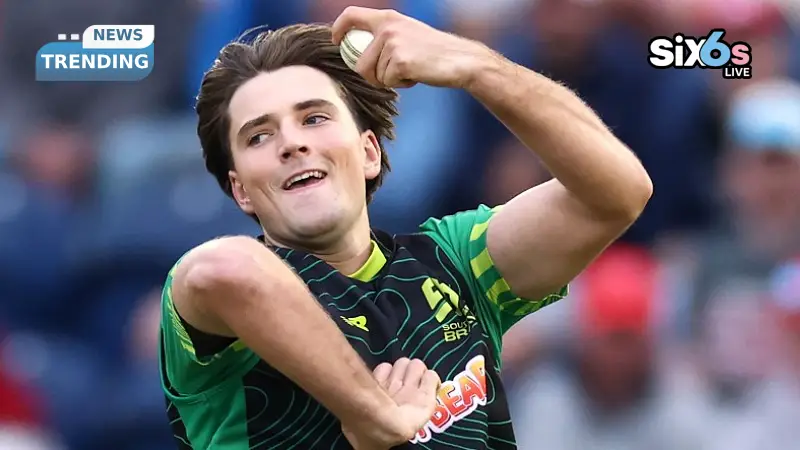
London Spirit paid £390,000 for James Coles, more than one-third of their available auction budget in a single bid. Welsh Fire spent £300,000 on Jordan Cox and £240,000 on Joe Root. Southern Brave secured Adil Rashid for £250,000 and David Miller for £110,000. MI London paid £260,000 for Tom Curran. Aiden Markram went to Manchester Super Giants for £200,000 as the highest overseas signing. Abrar Ahmed went to Sunrisers Leeds for £190,000 after a bidding battle with Trent Rockets. Seven headline transactions that confirm what the auction’s overall pattern revealed: franchises in The Hundred are spending like they intend to win, not like they are experimenting.
Why Coles at £390K Was the Defining Moment
The James Coles bidding war between London Spirit and multiple competing franchises confirmed what his recent English cricket performances had signalled: an uncapped all-rounder who contributes meaningfully with both bat and ball in conditions that suit him represents a higher-value acquisition than a proven international specialist at the same price point.
At £390,000, London Spirit committed a figure that assumed Coles’ development trajectory continues as projected. That is a franchise-level investment in potential rather than proven performance, the same logic that drives IPL teams to pay record prices for young Indian players whose domestic returns justify the ceiling but not necessarily the price. Whether Spirit’s assessment is vindicated depends on what Coles produces in the 2026 season across a format and opposition quality he has not yet faced at this level.
How Welsh Fire and Southern Brave Built Their Top Orders
Welsh Fire’s dual investment, £300,000 for Cox and £240,000 for Root, consumed more than half their total available budget. That concentration of spend confirms their squad-building philosophy: anchor the top order with two batters of proven English cricket quality and build the bowling and middle-order depth with the remaining allocation.
Root at £240,000 represents exceptional value given his batting record across all formats. His white-ball performances have been underrated relative to his Test career. In T20 cricket specifically, his ability to find gaps through the off side on slower surfaces creates a scoring method that works on the types of pitches The Hundred regularly produces at English venues in July and August. Southern Brave’s £250,000 for Rashid follows similar logic; a spinner of his quality in the middle overs of a 100-ball format changes the match calculation for every opposition batting lineup.
Why The Hundred 2026 Auction Rewarded Domestic Talent Over Overseas Stars
The pattern across The Hundred 2026 auction confirmed a structural shift in how franchises value players. Domestic players with tournament familiarity and English conditions knowledge commanded prices that consistently exceeded overseas equivalents of similar international standing. Coles at £390,000 versus Markram at £200,000 illustrates the gap most clearly, South Africa’s captain and a player who has never appeared in The Hundred, priced at roughly half of an uncapped English teenager.
The unsold list reinforces the pattern. Sikandar Raza, Lungi Ngidi, Wanindu Hasaranga, and Azmatullah Omarzai all went unsold despite international records that would have commanded significant fees in earlier auction cycles. Franchises assessed their overseas slots against the domestic options available and concluded that English conditions specialists, whether uncapped talents like Coles or established names like Root, delivered more reliable returns per pound spent than overseas stars whose records were built in different conditions.
What the Abrar Ahmed Signing Confirms About Bowling Strategy
Abrar Ahmed’s £190,000 deal with Sunrisers Leeds after a bidding battle with Trent Rockets confirms that middle-overs spin variety is the specific bowling profile that multiple franchises identified as a tactical priority. His mystery spin variations create the partnership-breaking threat in overs eleven to sixteen that conventional spin cannot consistently replicate, a specific tactical function worth the competitive bidding price regardless of his limited English conditions experience.
Usman Tariq’s £140,000 to Birmingham Phoenix adds another international spin option to the competition. The volume of spin investment across the auction confirms that The Hundred’s 100-ball format, where middle-overs control determines match results more consistently than powerplay or death phases, has pushed franchises toward prioritising spin quality above pace variety in their overseas allocations.
Cricket never stops, and neither do we. Follow Six6slive for the latest news, in-depth features, and exciting updates from the world of cricket. Dive into the action now!