
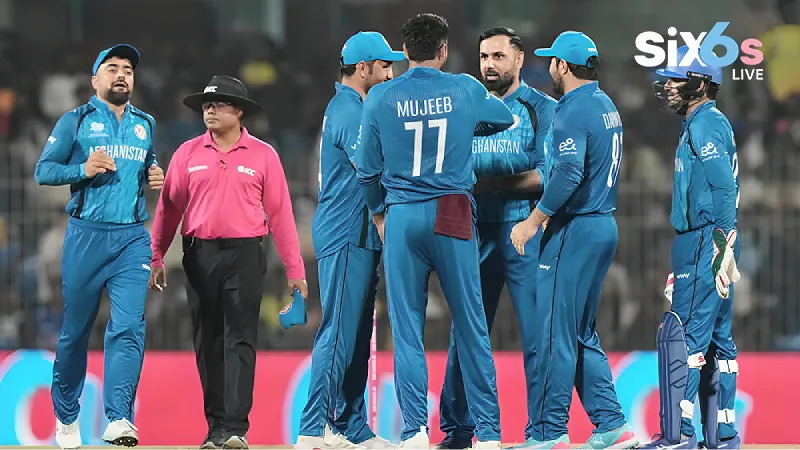
Ibrahim Zadran is Afghanistan’s new T20I captain. The T20I squad named for the upcoming Sri Lanka series marks a clear break from the Rashid Khan era, with the team’s management opting for a batting-led leadership model following their group-stage exit from the T20 World Cup 2026. Zadran, a technically composed opener, now carries the captaincy alongside his batting responsibilities. With new faces added and senior players retained, this squad tells you a lot about where Afghanistan cricket is heading.
The Captaincy Switch No One Should Be Surprised By
Rashid Khan led Afghanistan to the T20 World Cup 2024 semi-finals, a genuine landmark for the sport’s fastest-growing nation. But the T20 World Cup 2026 group-stage exit shifted the calculus. When results go wrong at a tournament level, management tends to act, and handing the armband to Zadran was the response.
What makes this more than a routine change is the type of leader Zadran represents. A captain who opens the batting sees the game differently. He sets the tone from ball one, reads the powerplay from the crease, and manages the chase with direct skin in the game. The batting captain can anchor decision-making around tempo and partnerships in a way that suits T20 cricket’s evolving demands.
Afghanistan T20I Squad: What Has Changed
Three names stand out in the Afghanistan T20I squad for Sri Lanka: Noor Rahman, Sharafuddin Ashraf, and Fareed Ahmad Malik. Each addresses a specific need. Sharafuddin gives Afghanistan a left arm spin all-rounder option in the middle overs, a role that improves flexibility when conditions ask for variety rather than pure power. Fareed adds another pace dimension to a bowling group that can sometimes feel spin-heavy on slow surfaces. Noor Rahman strengthens the wicketkeeping and top-order cover.
The core stays intact. Rahmanullah Gurbaz, Mohammad Nabi, and Mujeeb Ur Rahman remain anchors of the side, three players who have been central to Afghanistan’s rise and who carry the experience the new additions currently lack.
Why the Spin Attack Still Wins in Sri Lanka
Sri Lanka’s pitches have historically rewarded spin, and Afghanistan arrive with one of the most potent spin resources in world cricket. Rashid Khan, Mujeeb Ur Rahman, and Noor Ahmad collectively offer variety, pace off the surface, and consistent pressure that very few batting line-ups find easy to score against. On slow, turning tracks, this attack doesn’t just contain, it takes wickets in clusters.
The powerplay combination of Gurbaz and Zadran is equally well matched to the conditions. Gurbaz brings the aggression to exploit fielding restrictions while Zadran’s composure at the other end prevents the kind of collapse that has occasionally derailed Afghanistan’s starts. It’s a pairing that balances risk intelligently.
Building for the Next ICC Cycle
The Sri Lanka tour also includes ODI matches, which makes this more than a T20 series. Afghanistan is using this window to refine combinations across formats with one eye on the next ICC Men’s Cricket World Cup cycle.
Appointing Zadran now rather than closer to a major event is smart. Leadership takes time to settle. The communication patterns, the decision-making under pressure, the relationship between a captain and his bowlers, none of that develops in a single series. By giving Zadran competitive matches in bilateral cricket, Afghanistan is investing in the kind of gradual readiness that tends to show up when it matters most. This squad is a statement of intent, not just a selection announcement.
Stay updated on the latest cricket news and exciting updates at Six6slive. Dive into our in-depth articles and analyses to connect with the action today!